Getting Started
The Stipa Cloud Difference
At Stipa Cloud, we have reimagined the way you manage your field data. Our platform embraces a pragmatic Upload and Go mentality. We have tossed the most troublesome aspects of field data management into the waste bins of history. Forget about having to design custom databases from scratch, coerce data from one data structure to another, or hire employees to prepare, migrate, and manage your data. Simply upload your data to Stipa Cloud and move on to bigger and better things, such as discovering how your data can help inform your organization's decision making.
How it Works
Stipa Cloud is designed around the Stipa Data Specification, which provides a highly portable way to maintain data structure throughout the data life-cycle, from field measurement, to storage, to analysis. Rather than recreating data structure every time you migrate your data to a new system, our approach is to have the data structure move with your data. Structure is defined before you collect your data and never again (read up on the scientific method to understand why this is important). The result is a seamless data management experience where all of your field data can be stored and administered in the same place, while keeping the original structure intact to maintain data integrity and facilitate interpretation.
The Basics
Upload any data conforming to the Stipa Data Specification. Learn How.
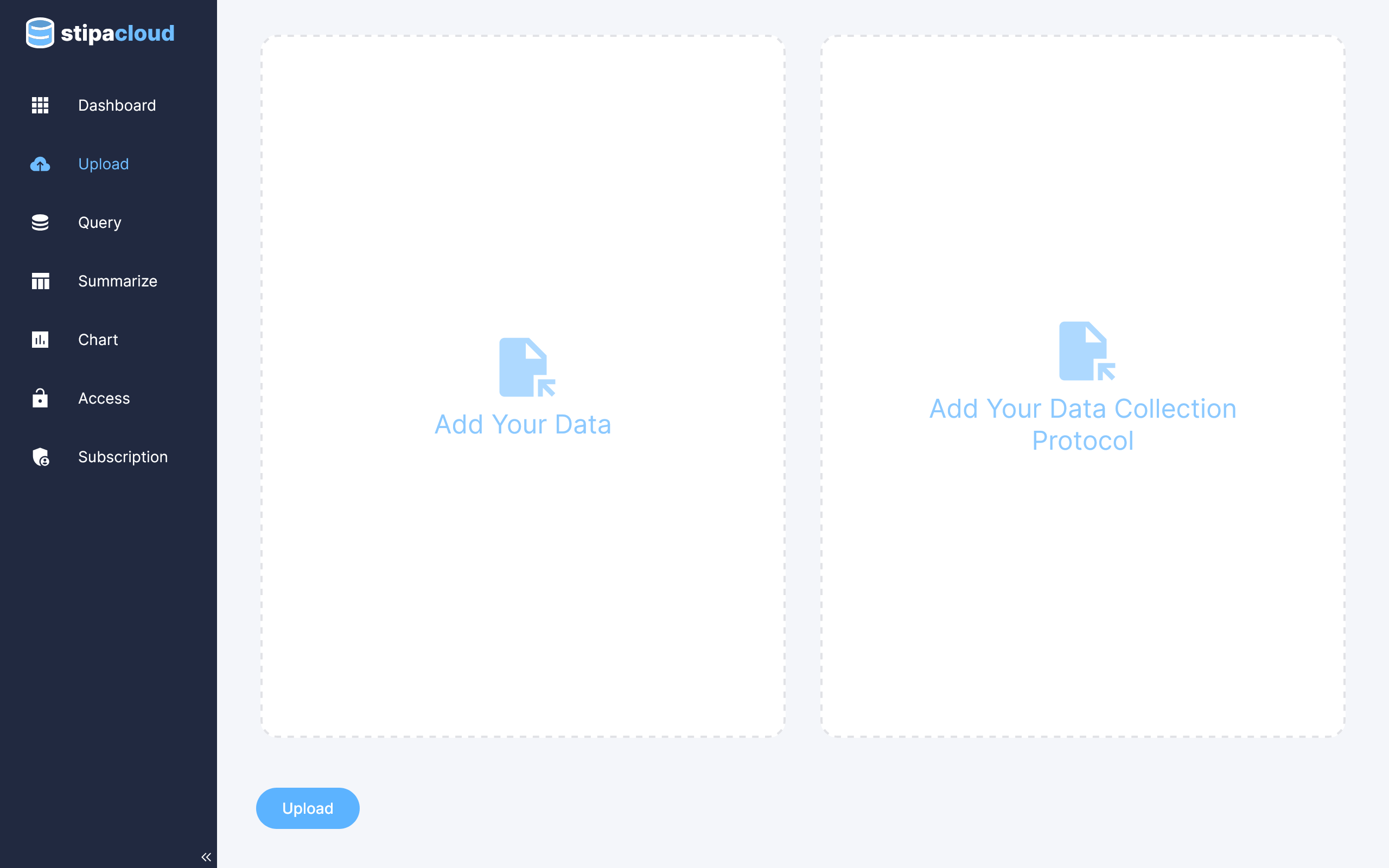
Figure 1. Data upload view.
Filter data for export, review, and editing using our straightforward querying interface. Learn How.
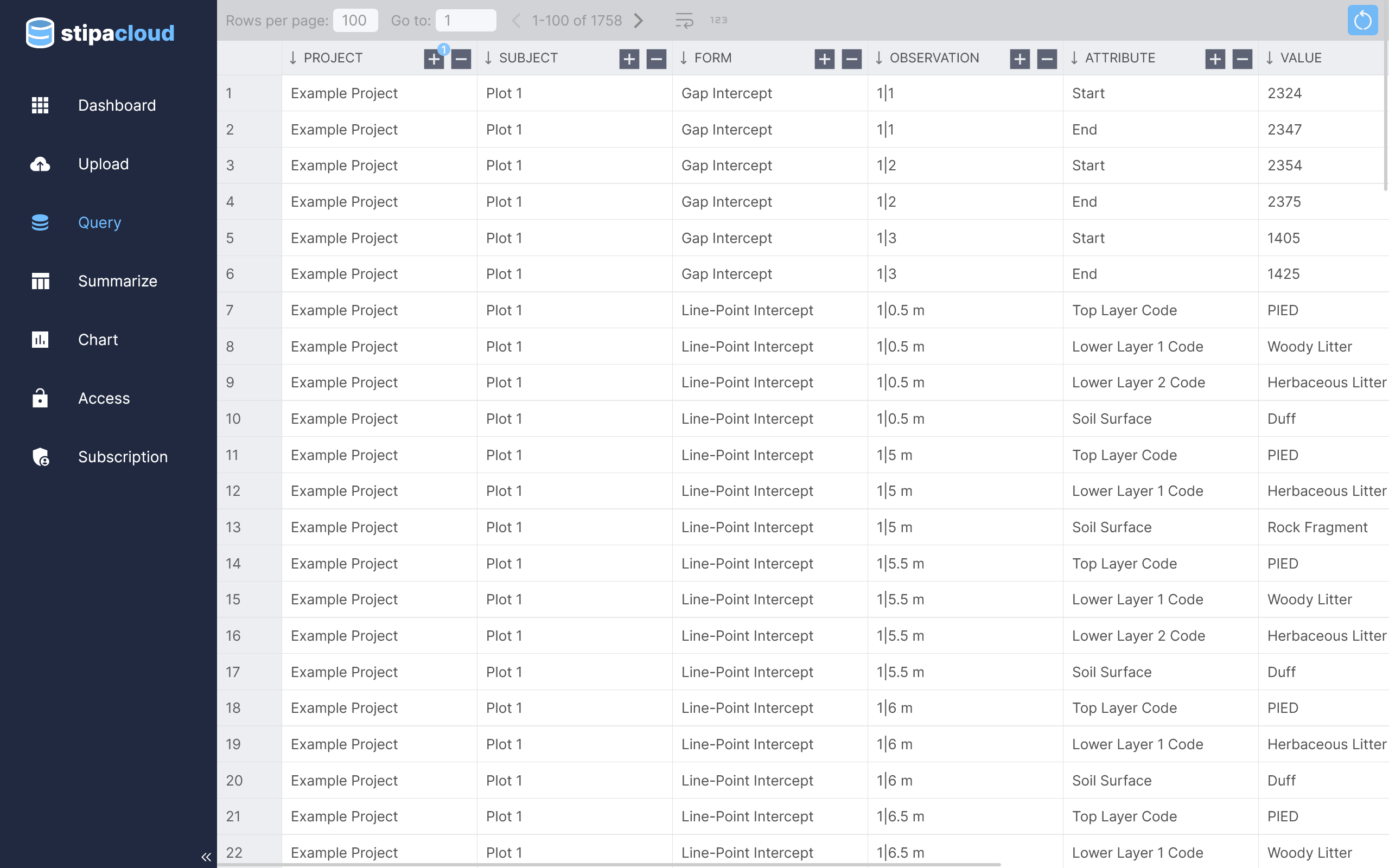
Figure 2. Viewing project data in tabular format.
Visualize and interpret your data using summary tables. Learn How.
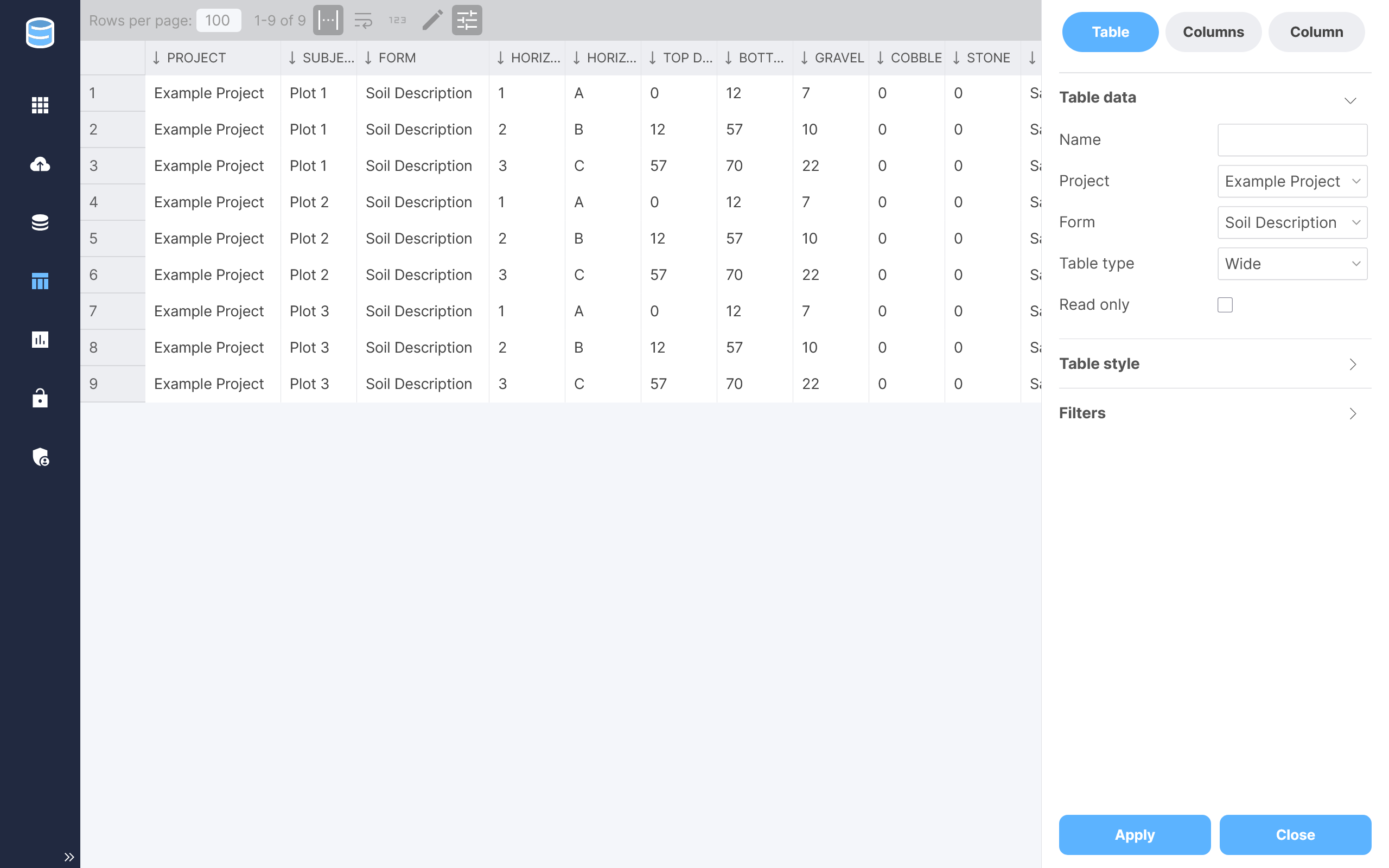
Figure 3. Creating a wide table.
Turn information into insights using charts. Learn How.
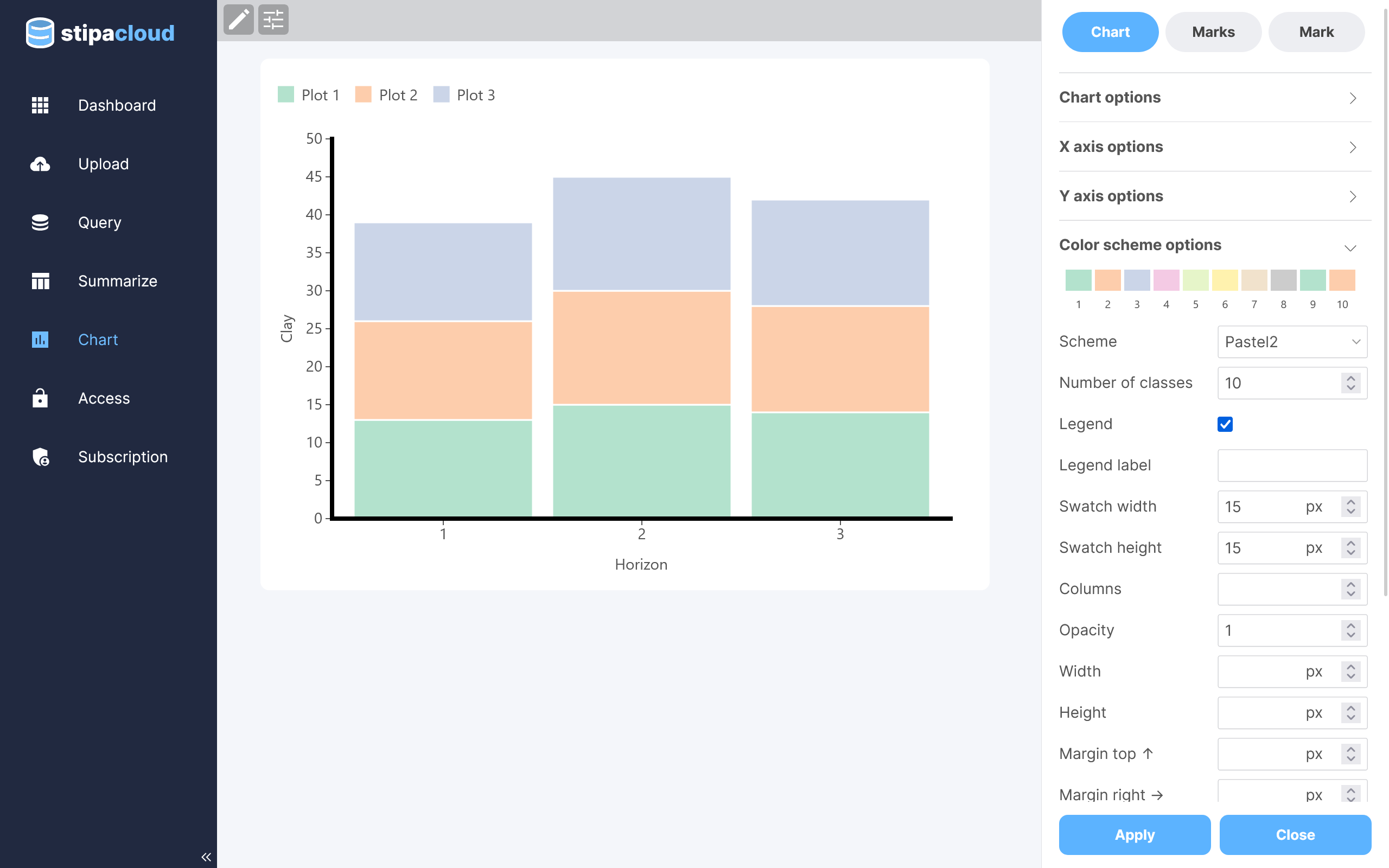
Figure 4. Changing a chart's color scheme.
Safeguard your data and collaborate with others using our fine-grained access control. Learn How.
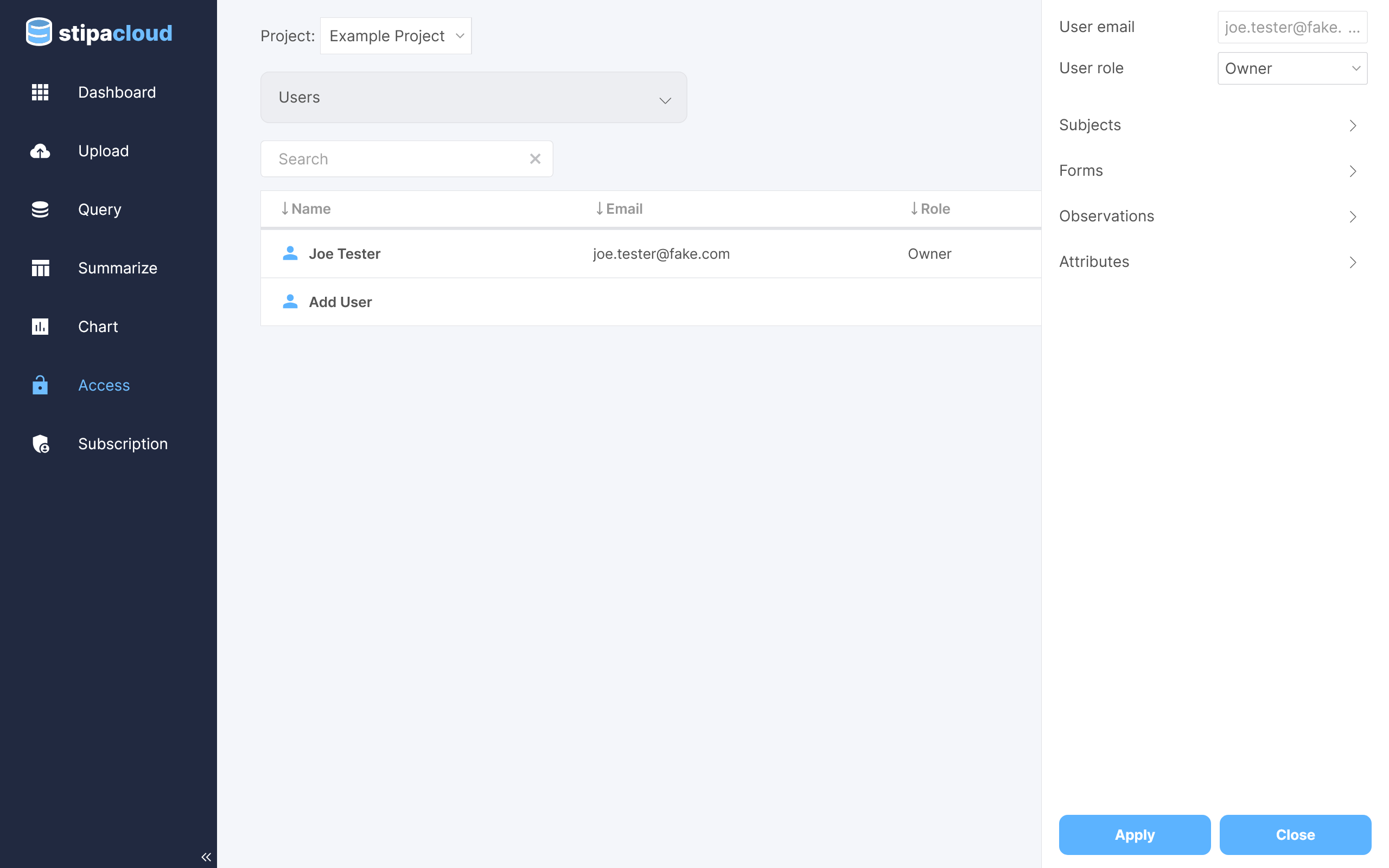
Figure 5. Editing project user roles.
Get started with Stipa Cloud for free. Add up to 500MB of data and collaborate with up to four other people, starting in early 2026.